
How Do You Prepare Your Room for Custom Woodwork Before Installation Day?
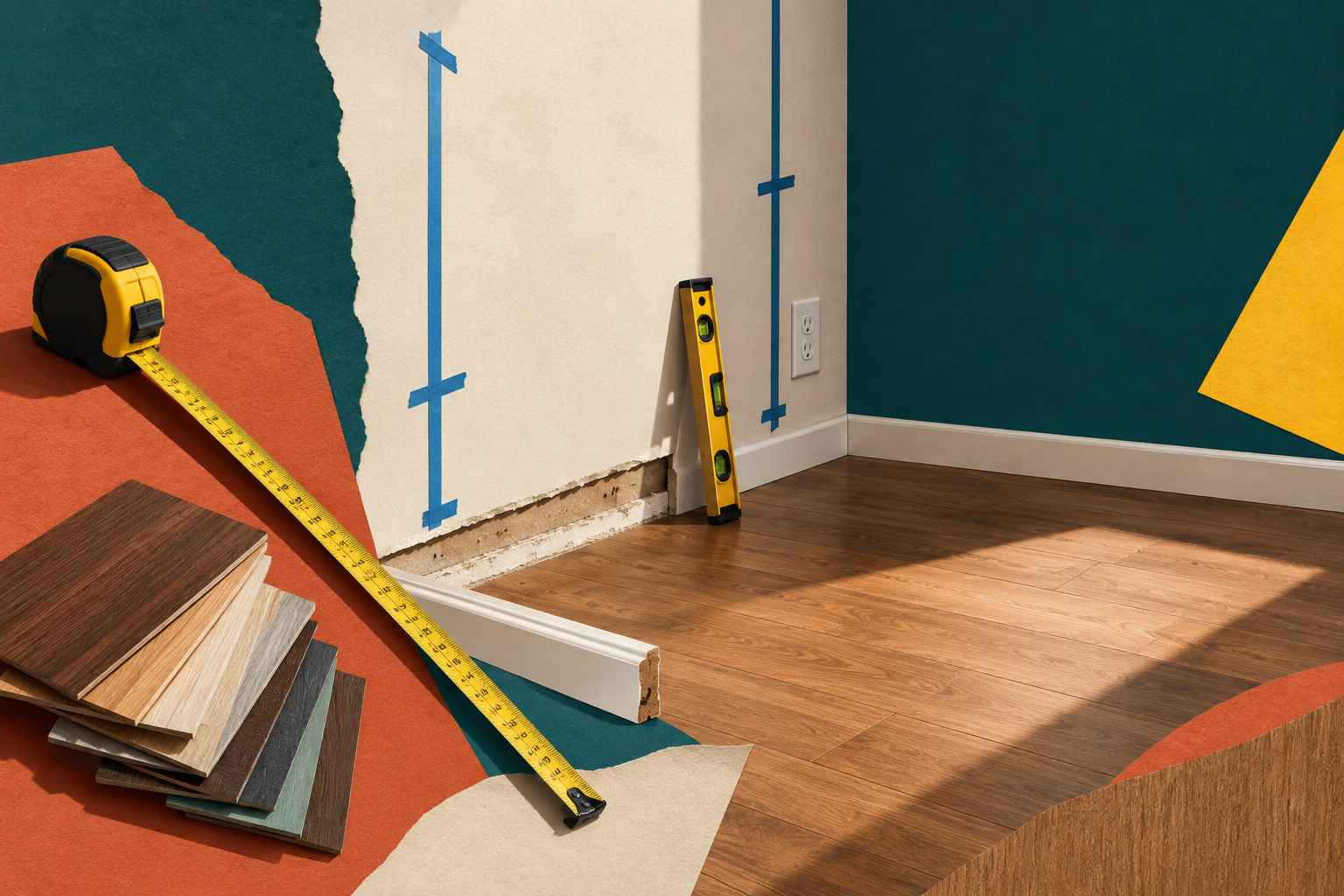
If you are planning custom woodwork, the best time to make the project easier is before installation day. The main question is simple: how do you get your room ready so the piece fits, the install goes smoothly, and there are fewer surprises? Start by clearing the space, checking the walls and floors, and deciding what needs to stay in the room. That preparation helps with built-ins, bookshelves, fireplace surrounds, entertainment centers, cabinets, and other fitted pieces.
Start by clearing the work area
Remove furniture, lamps, wall decor, rugs, and anything stored near the wall where the woodwork will go. The more open the space is, the easier it is to measure, move parts in, and work without damage.
If the piece is going into a busy room, think about the path from the door to the installation spot. Tight turns, stairs, and narrow halls can matter just as much as the wall itself.
Check the wall, floor, and nearby features
Custom work is built around the room it lives in, so it helps to look closely at the wall, floor, trim, outlets, vents, and any light switches nearby. A wall may not be perfectly straight, and floors may slope a little. That is normal in many homes, but it affects fit.
If there is an outlet, HVAC vent, or baseboard that might be covered or need to be worked around, point it out early. The same goes for crown molding, window casings, or a fireplace that will share the space.
Decide what the piece needs to hold
A good custom piece should fit the way you live, not just the size of the wall. Before installation, make a simple list of what you want to store or display. For example: books, game systems, board games, baskets, serving pieces, or family photos.
This helps the design make sense. A bookshelf with mostly tall books needs different shelf spacing than one meant for decor. An entertainment center may need room for wiring and devices. A cabinet may need deeper storage or stronger shelves depending on what goes inside.
Plan for access, power, and lighting
If the project will hold electronics, ask where cords will go and whether outlets need to stay reachable. For some projects, built-in lighting may also be part of the plan. That needs to be thought through before the piece is set in place.
Think about how you use the room at night, too. A fireplace surround, media wall, or bookcase can look very different once lights are on. Planning early helps the final piece feel like it belongs in the room instead of sitting in it.
Be clear about finishes and daily wear
The finish you choose affects how the piece looks and how it holds up over time. If the room gets heavy use, say so. A family room entertainment center faces different wear than a formal sitting room bookcase.
It also helps to think about the rest of the room. The wood tone, paint color, and nearby trim should work together. When those parts are considered ahead of time, the finished project looks settled into the home rather than added later.
Make the installation day simple
Ask in advance what time the crew is coming, how much space they will need, and whether pets, children, or fragile items should be moved out of the way. A clear plan keeps the day calmer for everyone.
If the project is large or built in sections, leave extra room for tools and materials. Good installation is often faster when the room is ready, and there is less chance of scuffs or delays.
Know what to discuss before work begins
Before the project starts, make sure you and the woodworker agree on the basics: size, layout, storage needs, finish, and where the piece will be installed. If you are using a service area like Alexandria, Great Falls, Stafford, Fredericksburg, Richmond, Williamsburg, or Virginia Beach, it can also help to talk about the room conditions early, since homes vary a lot from one space to the next.
A clear conversation before the build starts usually saves time later. It gives everyone the same picture of the room, the goal, and the finished result.