
How Do You Make a Custom Built-In Look Like It Belongs in the Room?
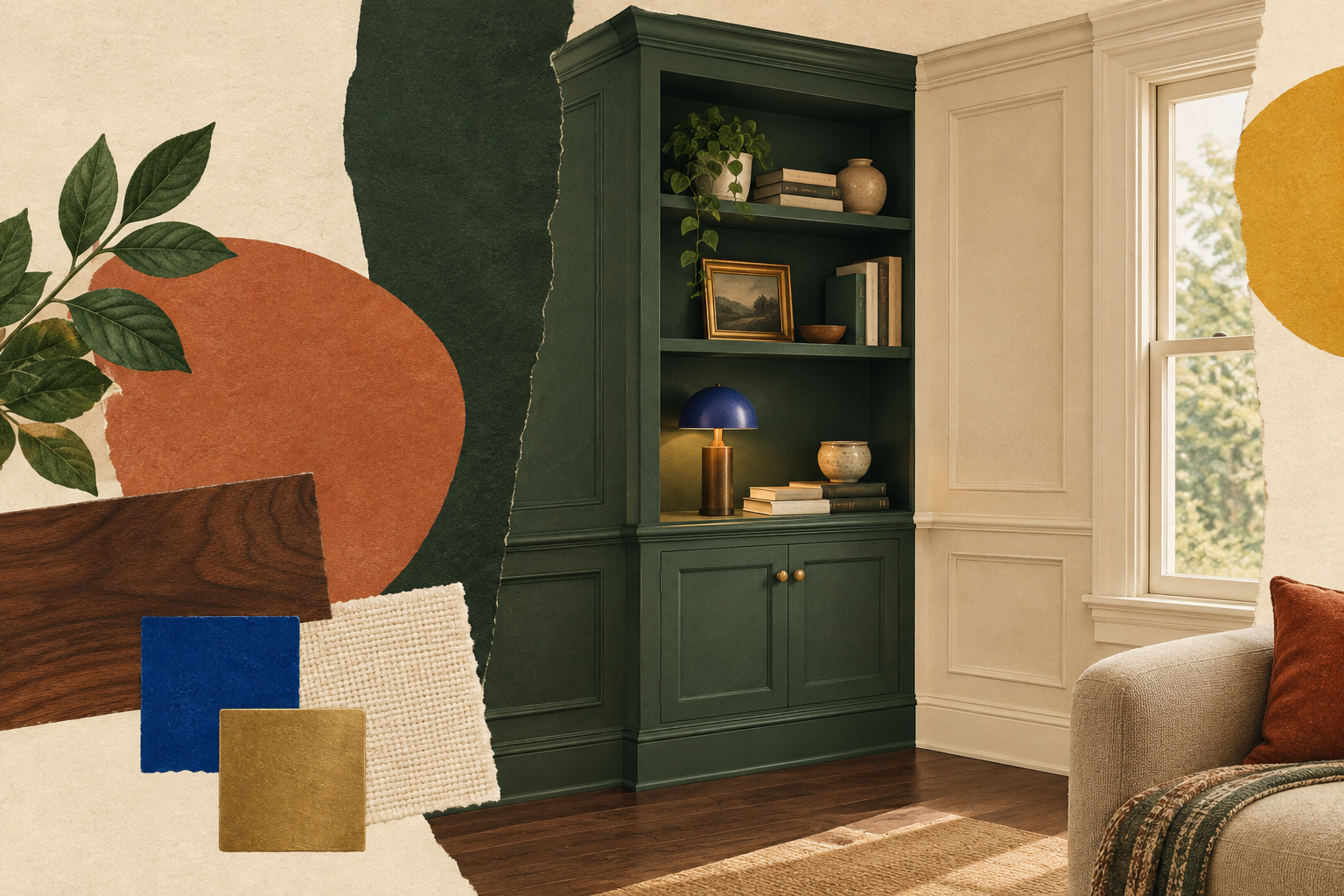
The easiest way to tell if a custom built-in was well planned is simple: it feels natural in the room. It does its job, but it also looks like it belongs there. If you are thinking about a bookcase, media wall, fireplace surround, or storage wall, the real question is not just what it can hold. It is how it will match the room around it. Here is a practical way to think it through before you order one.
Start with the room, not the wall
A built-in should solve a room problem first. Maybe you need storage, a better place for a TV, or a cleaner look around a fireplace. Before you think about style, look at how the room is used and where the natural focal point is.
Pay attention to the room shape, ceiling height, windows, vents, and trim. Those details affect where the built-in should start and stop. A good design works with the room layout instead of covering up important features.
Match the built-in to the home’s style
A built-in looks most at home when it borrows from the house itself. That can mean matching the trim profile, using a similar door style, or repeating the same lines already found in the room.
For example, a simple, clean built-in often works well in a newer home with plain trim. A more detailed piece may fit better in an older home with heavier moldings and stronger character. The goal is not to make every room identical. It is to make the new piece feel like part of the same home.
Choose proportions that feel balanced
Even a beautiful built-in can look awkward if it is too tall, too shallow, or too wide for the wall. Proportion matters as much as style. A piece that fills the wall without crowding it usually feels more settled and finished.
Think about what should be the main focus. If the built-in surrounds a fireplace, the surround should frame it, not overpower it. If it is a bookshelf wall, leave enough open space so it does not feel heavy. The right balance makes the room feel calm instead of crowded.
Decide how much of the piece should stand out
Some built-ins are meant to blend in. Others are meant to draw attention. That choice should happen early. It affects the shape, finish, hardware, and even the type of wood used.
If you want the built-in to disappear into the room, use a finish close to nearby trim or walls. If you want it to feel like a feature, use contrast on purpose. A darker wood, painted base, or special detail can help it stand out. Either approach can work. The key is to choose one on purpose, not by accident.
Think through the details people will touch every day
The small parts matter because people notice them every day. Door style, shelf spacing, drawer depth, and hardware all change how the built-in feels to use. A piece can look great in a photo and still be annoying if the shelves do not fit real items or the doors block easy access.
Before you commit, think about what will actually go inside. Books, baskets, game consoles, serving pieces, or family photos all need different spacing. A good design makes daily use easier, not harder.
Plan the finish so it fits the rest of the room
Finish is one of the fastest ways to make a built-in feel right or wrong. The color, sheen, and grain all affect how the piece sits in the room. A finish that is too shiny or too dark can pull attention in a way that does not match the rest of the house.
If you are unsure, compare the finish to your floors, trim, cabinets, and nearby furniture. The best choice usually ties into what is already there instead of trying to compete with it. In a family room or living room, that usually means keeping the built-in warm and easy to live with.
Make sure installation details are part of the plan
A built-in can only look like it belongs if it is installed cleanly. That means planning for walls that are not perfectly square, floors that may slope a little, and trim that needs to be tied in neatly.
This is where custom work helps. A made-to-fit piece can be adjusted to the room instead of forcing the room to change for it. Good installation also helps the built-in look finished at the edges, which is often what separates a decent result from one that feels fully integrated.
What to ask before you move ahead
Before you order, ask a few simple questions: Does this design fit the room’s style? Will the size look balanced on the wall? Does the finish match the rest of the house? Will it work for the things you need to store?
If you can answer yes to those questions, you are usually on the right track. If not, it is worth revisiting the design before work begins. A little planning up front is the best way to make a built-in look like it was always meant to be there.